Larkya La Vs Thorong La
17 Jul 2026 Chandra Gurung
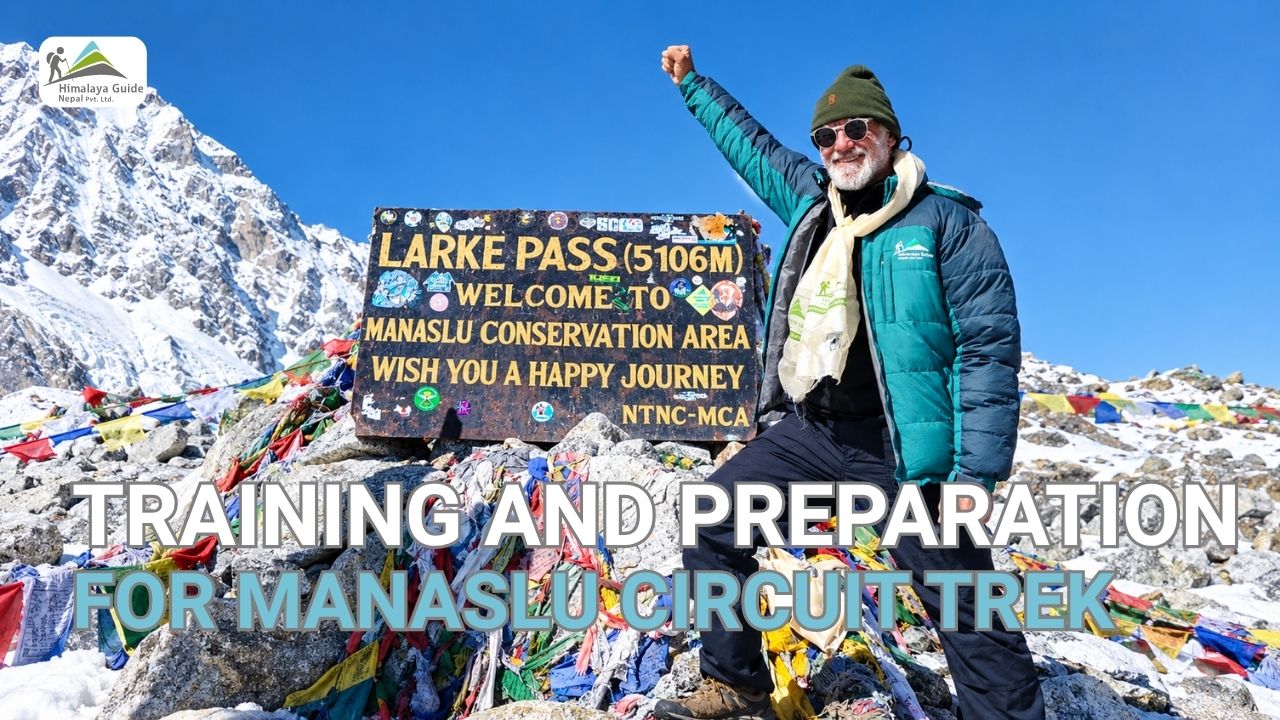
Thorong La (5,416 m) is the taller pass & Larkya La tops out lower at 5,160 m. Ask most guides which one actually feels harder, though, and they’ll point to Larkya La almost every time. It’s not really about the number on the sign. It’s the extra hours on rough moraine, the thinner support network if something goes wrong, and a night beforehand spent in a place with almost nothing to offer beyond a bed and a blanket that makes Larkya La harder than Thorong La.
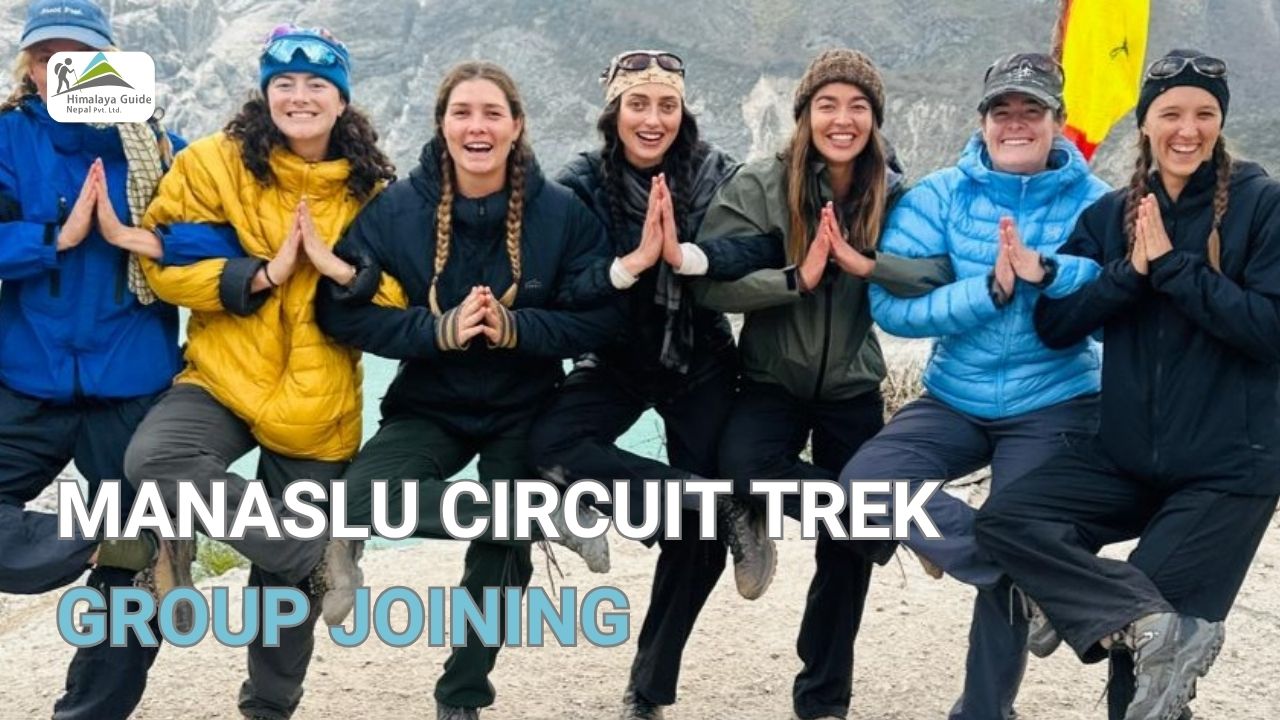
If quiet trails and a long grinding push sound appealing, look at the Manaslu Circuit and its 14 days toward Larkya La. If you’d rather have other trekkers around you and a slightly gentler grade on a 16 day loop, Annapurna Circuit Trek and Thorong La probably fit you better. Neither is objectively correct. They’re different mountains, and they ask different things of the people who cross them.
Larkya La vs Thorong La Comparison Table
| Comparison Basis | Larkya La | Thorong La |
| Altitude | 5,160 m | 5,416 m |
| Belongs to | Manaslu Circuit (14 days) | Annapurna Circuit (16 days) |
| Crossing distance | 15 to 18 km | 14 to 16 km |
| Duration on crossing day | 7 to 8 hours | 7 to 8 hours |
| Trekker traffic | Low, even in peak season | High, especially April and October |
| Terrain | Loose glacier moraine, rougher trail | More established, well-worn path |
| Remoteness | High, limited rescue access | Moderate, closer to roads and help |
| Guide requirement | Mandatory, licensed guide | Not legally required, but recommended |
| Trip grade | Moderate to strenuous | Moderate |
| Package cost (guided, all-inclusive) | From 755 USD per person | From 653 USD per person |
Larkya La vs Thorong La Altitude
The 256 meter gap between these two passes gets brought up constantly, as if it settles the whole question. However, when evaluating Larkya La vs Thorong La in terms of actual daily effort, that single altitude figure doesn’t tell the whole story. It doesn’t, not really, because the climb leading up to a pass shapes the difficulty of the day more than the summit elevation does.
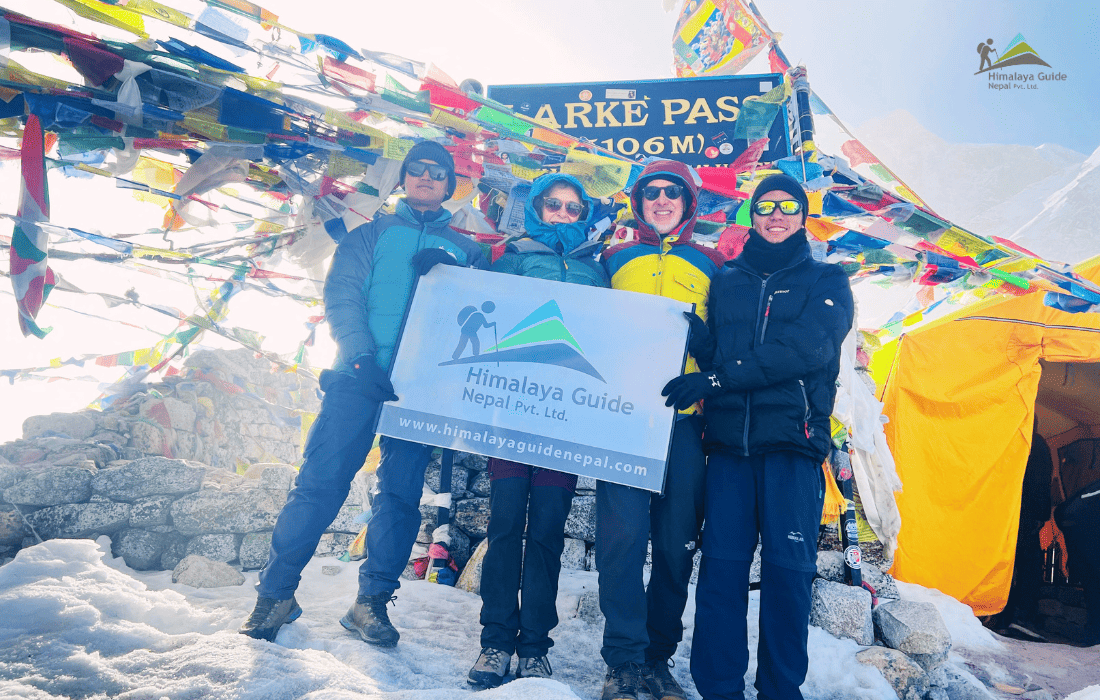
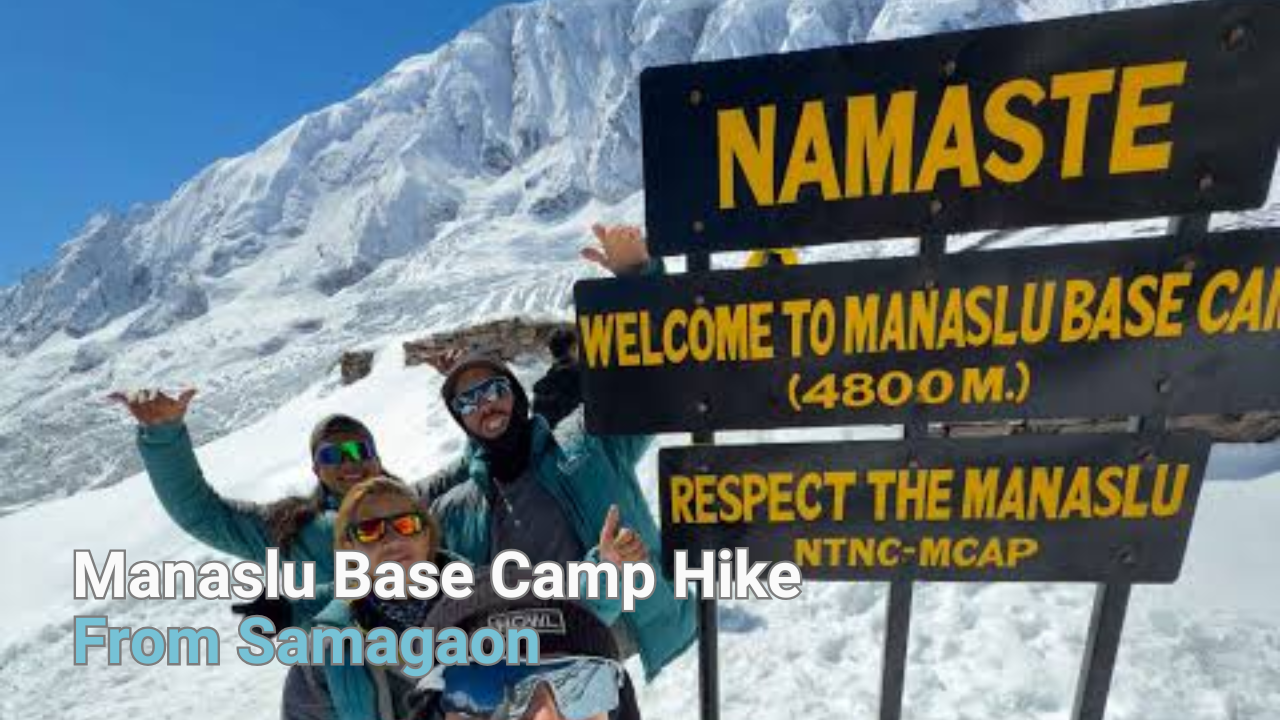
Getting to Larkya La means a steady climb from Samagaon at 3,525 meters through Samdo at 3,875, then up to Dharamsala at 4,460, and the standard 14 day Manaslu itinerary only builds in one full acclimatization day for that whole stretch, taken back at Samagaon. There isn’t much room to spread that gain out gently.
Thorong La approaches differently. Annapurna’s route gives you a full rest day in Manang at 3,540 meters, with a handful of optional hikes to Gangapurna Lake, Ice Lake, or the small monastery above the village, and only then does the trail continue up through Yak Kharka and Thorong Phedi toward High Camp. More time, more built-in adjustment, before the push itself even starts.
So altitude alone doesn’t tell you much here. What matters is how compressed the climb feels on the way up, and Larkya La compresses a lot more into fewer days.
Harder Crossing at Larkya La vs Thorong La
I’ll just answer this one plainly. Larkya La is definitely the tougher pass than Thorong La & guides who’ve done both will agree. Here’s what that actually looks like on the ground.
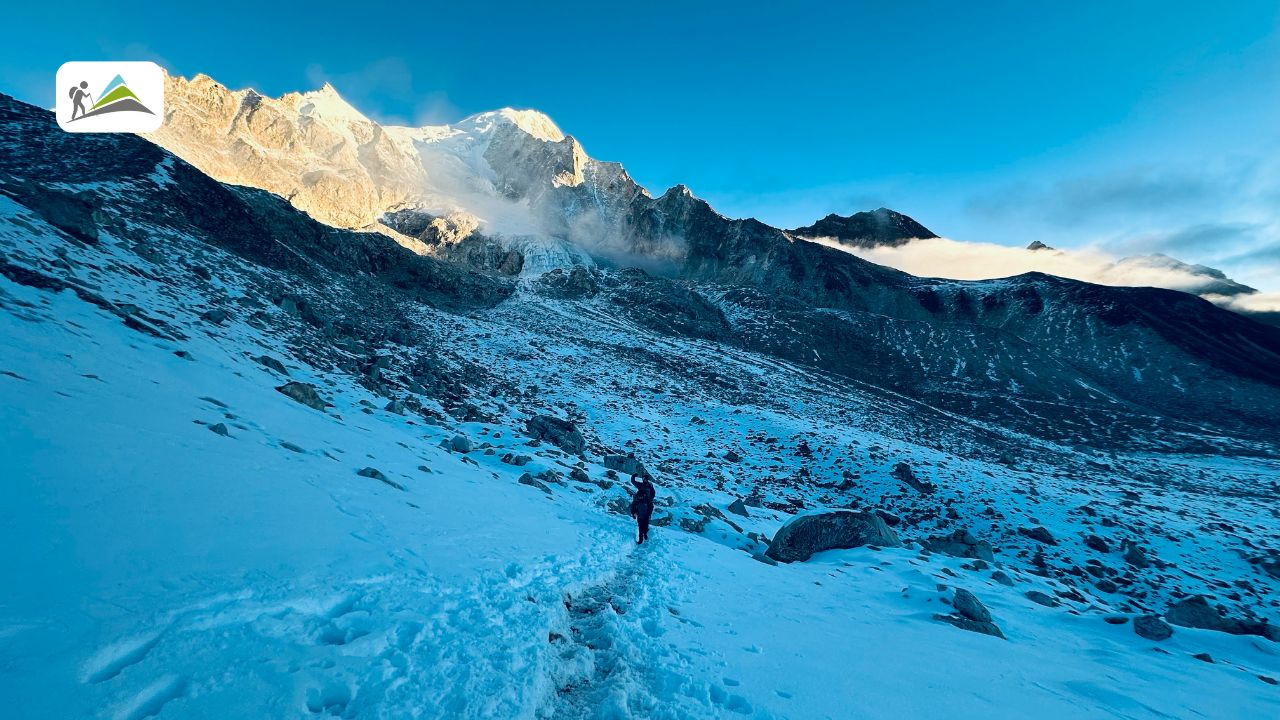
Dharamsala trekkers leave around 4am, walking straight into darkness with headlamps throwing small circles of light on frozen trail. The path runs alongside a glacier moraine that never really settles into anything predictable, loose rock shifting underfoot for most of the climb. One October crossing I still think about had wind strong enough near the top to knock a trekking pole clean sideways out of someone’s hand. Ice, thin air, a trail that just kept going long after most people expected the top to appear.

Thorong La asks something similar but different. Trekkers there climb roughly 850 meters from High Camp before dropping close to 1,700 meters down the far side into Muktinath, which is its own kind of brutal, honestly, especially on the knees. But the trail stays more predictable underfoot, and there are usually other trekkers strung out ahead and behind the whole way, which changes how isolated the day feels even when the effort itself is real.
Terrain, remoteness, and how far help actually is if something goes wrong, that’s the real measure of difficulty out here, not the number stamped at the top. Larkya La sits deep in a restricted zone that barely anyone passes through on a given day, which slows down rescue considerably. Thorong La sees enough daily traffic that help usually isn’t more than an hour or two out, and helicopters lifting off from Manang are a familiar enough sight that they barely turn heads anymore.
Larkya La vs Thorong La Trip Comparison
It’s worth stepping back from the pass itself for a second to analyze the Larkya La vs Thorong La trip comparison, because the circuits around them are built quite differently too. It’s worth stepping back from the pass itself for a second, because the circuits around them are built quite differently too.
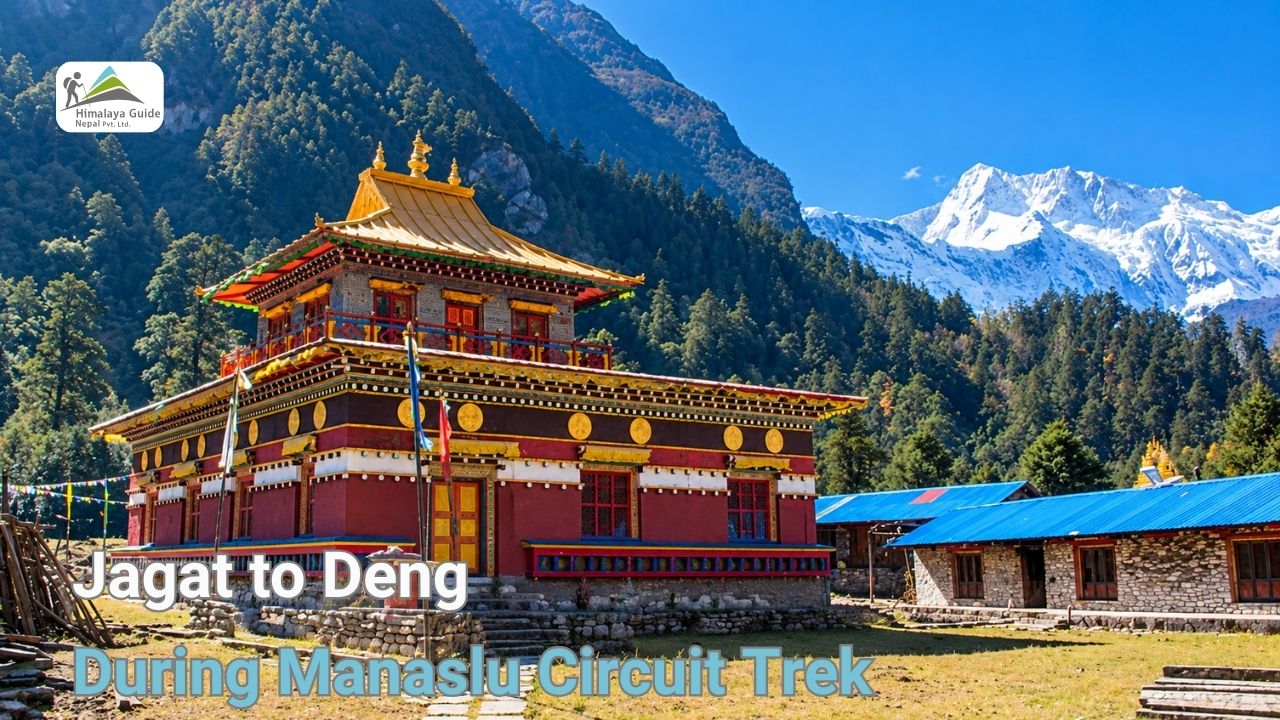
Manaslu runs 14 days, roughly 177 kilometers total, starting with a drive to Machha Khola and then a walk upriver through Jagat, Deng, Namrung, and Lho before Samagaon and its single rest day. From there it’s Samdo, Dharamsala, the pass, then down to Bimtang and out through Tilije before the drive back to Kathmandu. Daily distances average around 11 to 12 kilometers, though pass day itself runs up to 16 kilometers with a 1,400 meter descent that your knees will remember for days afterward.
Annapurna, on our standard route, stretches to 16 days and takes a wider swing through the region. Bulbule to Chame to Pisang, up to Manang for the rest day, then Yak Kharka and Thorong Phedi before the crossing into Muktinath. After that the trail keeps going, down through Tatopani for its natural hot springs, back up to Ghorepani for a sunrise hike to Poon Hill, and finally down into Pokhara. More villages along the way, more side attractions, and a noticeably longer trip overall by the time you’re done.
Crowds, and What That Actually Changes Day to Day
When considering the Larkya La vs Thorong La experience, crowds play a significant role in how the trails feel. Genuinely busy, especially through April and again in October, right when Annapurna sees its heaviest bookings of the year. Dozens of trekkers cross on the same morning, sometimes more, and rooms at Thorong Phedi and High Camp fill fast enough that latecomers occasionally end up sleeping in the dining hall.
Larkya La almost never gets that way, even in peak season, since Manaslu’s restricted status caps how many trekkers move through at once. Part of what makes the valley feel special is exactly that the tourism wave that reshaped Annapurna over the last twenty years never really reached here. There’s a real trade-off buried in that though. Fewer people also means fewer people nearby if your pace drops or the weather turns without much warning.
Night Before Larkya La vs Thorong La Passes
Dharamsala, sitting right below Larkya La at 4,460 meters, is about as basic as teahouses get on this route. Thin walls, unreliable hot water, and nothing to really do except try to sleep before a 4am start.
Thorong Phedi, at 4,550 meters below Thorong La, does a bit better, wider bakery selections than you’d expect at that altitude, and most itineraries build in a short acclimatization walk up to Thorong High Camp and back the afternoon before, which helps the body adjust one more notch before the real climb. Still a high camp, still no luxury, but the gap compared to Dharamsala is real enough that people notice it.
Permits for Larkya La & Thorong La
Manaslu asks for four separate permits. A Restricted Area Permit, a Manaslu Conservation Area Permit, an Annapurna Conservation Area Permit since the trail technically exits into that region near Dharapani, and a Tsum Nubri Rural Municipality Permit on top of all that. These get checked at Jagat, and if the paperwork’s wrong there, it’s a trip straight back to Kathmandu, so we handle all four as part of every package. A licensed guide is non-negotiable too, checked at posts along the way. As of March 2026, solo trekkers can finally get a Manaslu permit without needing a second person in their group, though the guide requirement itself never changed.
Annapurna asks for far less. Just the Annapurna Conservation Area Permit and a TIMS card, both included in every package we run. A guide isn’t legally required for Thorong La, though we still recommend one, mostly because altitude sickness has never once checked anyone’s paperwork before deciding to show up.
Larkya La vs Thorong La Trek Cost
Our Manaslu Circuit Trek runs from 755 to 1,150 USD per person, cheapest in larger groups of 11 or more, most expensive for solo trekkers booking privately. That covers a licensed guide, all four permits, two nights in a Kathmandu hotel, three meals daily on the trail, lodge accommodation, and equipment like a down jacket, sleeping bag, and duffel bag.
Annapurna starts lower, from 653 USD per person for a comparable package, guide, permits, meals, lodging, plus transport from Kathmandu to Bulbule and back from Pokhara at the end. Most of that price gap traces back to Manaslu’s extra permit fees and the added cost of supplying teahouses that sit much further from a road.
Comparing the Larkya La vs Thorong La trek cost reveals that while Annapurna is more budget-friendly, the Manaslu expense is largely driven by permit fees and remote logistics.
Neither price covers everything though. Budget extra for drinks, hot showers, wifi, and tips on both treks, since none of that’s included. On Manaslu we usually suggest 15 to 25 USD a day for those extras, which lands around 200 to 350 USD across the full trip. A porter runs about 20 USD a day and can be arranged for either route if carrying your own bag isn’t appealing.
Larkya La Vs Thorong La Trek Scenery
Manaslu keeps things close. The valley narrows for long stretches, and mountains like Manaslu itself, the eighth highest peak on earth at 8,163 meters, plus Himlung Himal, Cheo Himal, and Ganesh Himal, feel near enough to touch on a clear morning. Villages carry a strong Tibetan Buddhist character, prayer flags overhead, mani walls trekkers pass on their left out of respect for a custom kept for generations. Occasional snow leopard tracks near Samdo add something Annapurna just doesn’t have.
Annapurna spreads out. Manang opens into wide panoramas, Annapurna II, Annapurna III, and Gangapurna framing the skyline, and the side trip to Tilicho Lake, one of the highest lakes anywhere in the world, gives you something with no real Manaslu equivalent. The cultural mix runs wider too, Gurung, Thakali, and Hindu-Buddhist villages, the pilgrimage site at Muktinath, the hot springs at Tatopani, each worth the detour on its own terms.
Ultimately, the visual contrast of the Larkya La vs Thorong La scenery highlights why both routes remain essential experiences for Himalayan trekkers.
Chandra Gurung