Manaslu Trek Packing List
15 May 2026 Chandra Gurung
When it comes to packing for the Manaslu Circuit Trek, you should consider the weather, personal accessories, gear & equipment needs, and the purpose of the trek. In this guide, we are focused on needs, personal accessories, and weather that changes the packing dynamic for the trek.
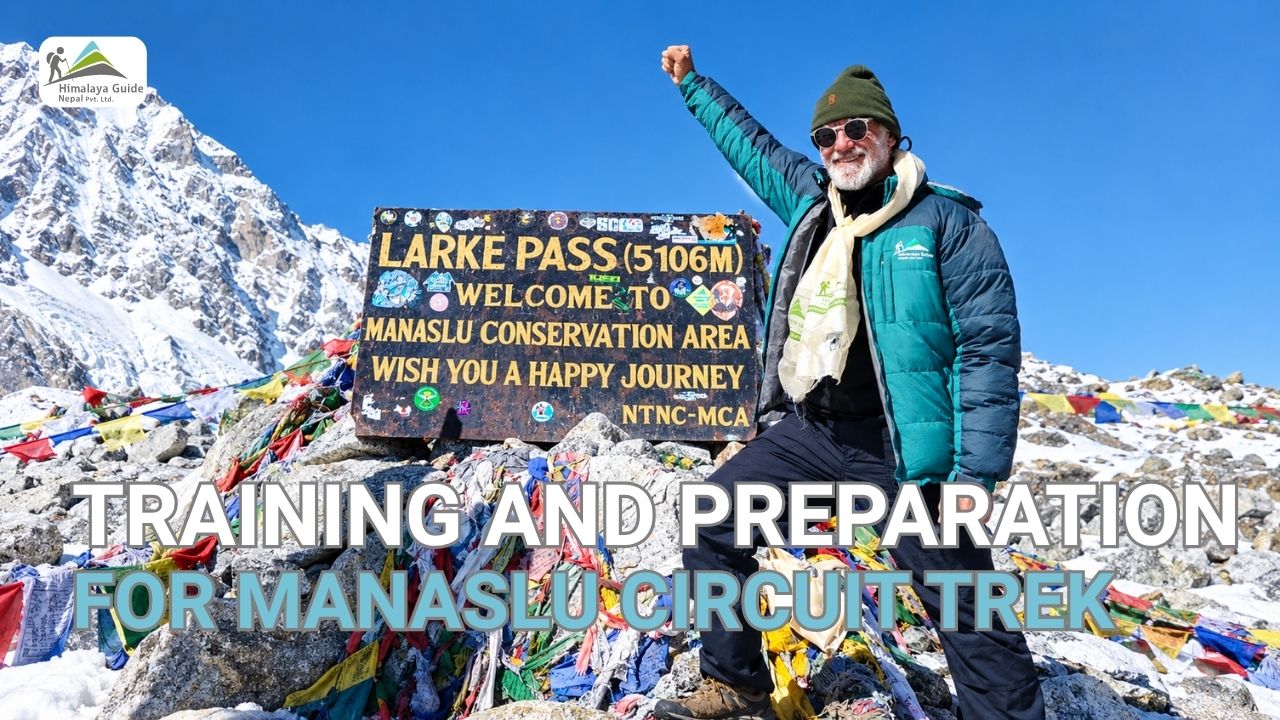
The Manaslu Circuit Trek is a full circuit around Mount Manaslu, the eighth highest mountain in the world at 8,163 metres. It is one of the less crowded trekking routes in Nepal, passing through dense subtropical forest, remote high-altitude villages, glacial terrain, and the Larkya La pass at 5,160 metres.
The trek takes 14 to 18 days, depending on your route and acclimatization schedule. It starts at Soti Khola, around 710 metres above sea level, in warm and humid lower valley terrain. It ends with the Larkya La pass crossing, which is snow-covered and demanding. That combination of conditions is what makes packing for the Manaslu Circuit Trek different from other treks.
You will face hot weather in the lower valley and serious cold above Samagaun. The temperature at Dharmasala, where you stay the night before the pass, regularly drops to around minus 10 degrees Celsius. Bringing the wrong gear or leaving out key items does not just cause discomfort. It can slow you down, hurt your feet, or cut your trek short.
Many trekkers also pack too much. An overloaded bag is its own problem, especially if you are carrying your own pack. Having a clear and specific Manaslu Circuit Trek packing list before you leave Kathmandu is best for the trek.
You can find everything you need for trekking in Thamel, Kathmandu. Thamel offers reliable shops where you can buy or rent trekking gear, from warm jackets to sleeping bags to trekking poles. You do not need to arrive with everything sorted. We can manage them for your safety and better experience in the Himalayas.
Will You Hire a Porter or No Porter?
This is the first decision to make. Whether you hire a porter or carry your own pack changes the entire packing strategy. Get this sorted before you buy a single piece of gear.
Porter Bag Weight Limit
The standard weight for a porter is 20 kg total. That is divided between two trekkers. So your share in the porter duffel is around 10 kg.
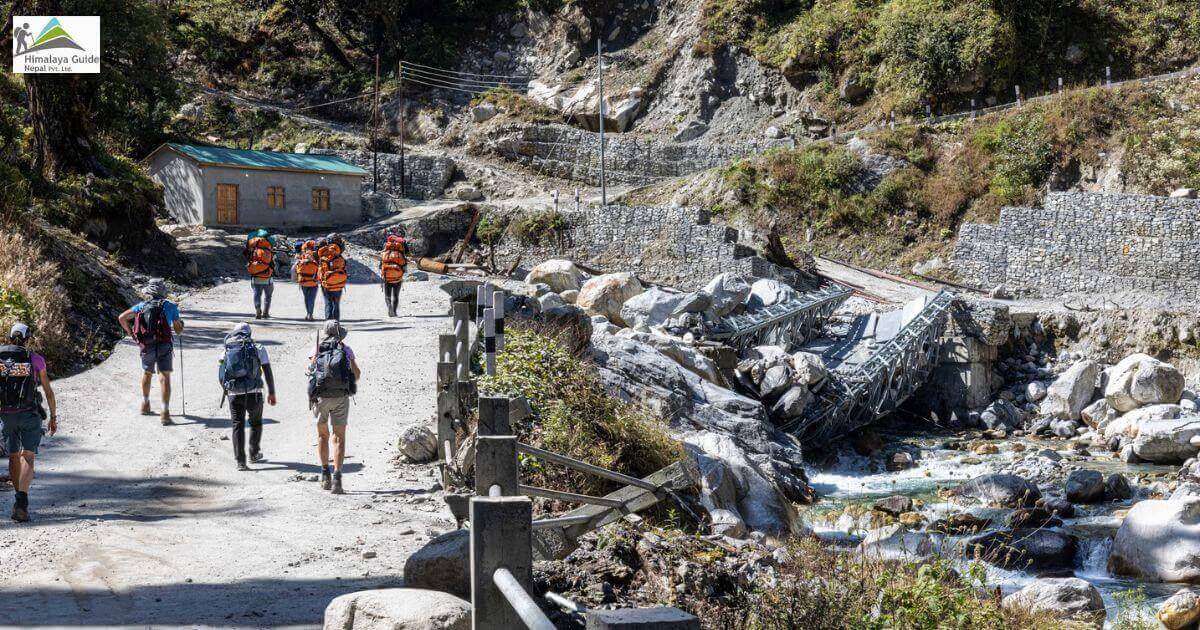
When you book with Manaslu Guide, we provide a duffel bag for your porter. No need to buy one separately.
The duffel carries your heavy items: sleeping bag, extra layers, spare clothes, and anything you will not need during the hiking day. One important thing: make sure the zippers lock. On the public bus from Kathmandu to Soti Khola, bags go on the roof with other cargo. A small padlock or zip tie is necessary.
Daypack Size When You Hire a Porter
With a porter, a daypack of 25 to 30 litres is enough for the trail. Pack it with the things you need during the day: water bottle, snacks, rain jacket, sunscreen, sunglasses, headlamp, camera, and your permits. Try to keep it under 6 to 7 kg. You carry this bag every single hiking day. Heavy daypack on day one becomes a real problem by day five.
Full Pack If You Go Without a Porter
No porter means a 50 to 60 litre pack for everything. It is doable for fit trekkers who pack smart. How you distribute the weight inside the bag matters as much as what you put in. Heavy items go close to your back and centred. Lighter things sit at the top and in the outside pockets.
Honestly, carrying a full pack over Larkya La is tough and we don’t recommend that to our clients.
Clothes to Pack for the Manaslu Circuit Trek
Clothes is the most important part of the whole packing list. Most trekkers get the clothing wrong. You might bring too light for the high valley or too heavy for the low valley days. You need both.
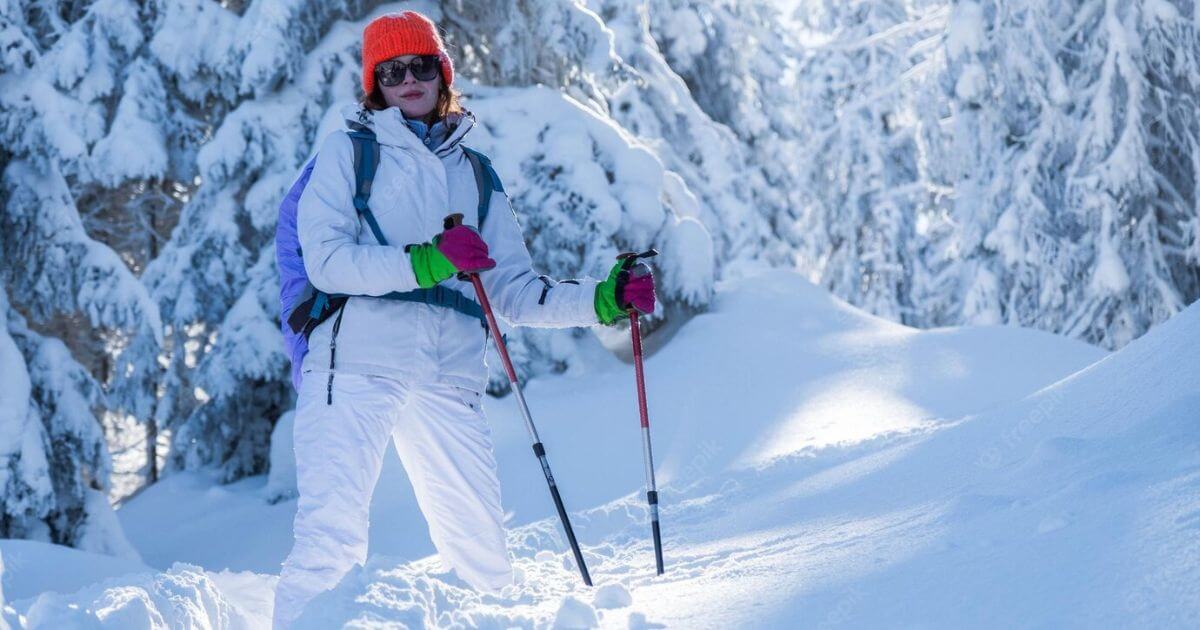
The temperature on the Manaslu Circuit Trek can swing 30 to 40 degrees Celsius from the first day to Larkya La. Pack thin and thick.
| Item | Low Valley (below 3,000m) | High Valley (3,000m+) | Larkya La Pass (5,160m) |
|---|---|---|---|
| Top layer | Light t-shirt | Fleece and thin down | Thick down and shell jacket |
| Bottom layer | Thin trousers | Thick trousers | Thick trousers with base layer |
| Hands | None needed | Thin gloves | Thick gloves |
| Head | Sun hat and buff | Warm beanie | Warm beanie and buff |
| Feet | Trekking boots | Trekking boots with thick socks | Boots with microspikes |
Clothes for the Lower Valley (Days 1 to 4)
The first few days on the Manaslu Circuit Trek are warm. You are walking through the forest, crossing rivers, and passing through small villages below 2,500 metres. It is humid. You will sweat.
Pack a mix of light t-shirts, both short-sleeve and long sleeve. Thin trekking trousers work well here. Carry a buff and a sun hat. The sun in a lower valley is strong. Sunscreen factor 50 is necessary. You can reapply in every two hours, even when it feels cloudy.
And you must get polarized sunglasses. As you gain altitude, UV strength increases. Without polarized lenses, snow reflection near the pass can cause snow blindness. It is very painful, and it happens faster than you expect.
Layers for Cold Nights and the High Valley
Dharmasala sits at around 4,460 metres. The night before the pass crossing, temperature drops to around minus 10 degrees Celsius. That is not a rare occurrence. That is what most trekkers experience in the main trekking seasons.
A thick down jacket is not optional. Carry it from Kathmandu. A thin down jacket or puffer is useful for mid-altitude evenings when it is cold but not pass-cold. A fleece mid-layer goes under the down. A wind and rain shell jacket goes on top of everything. Thick trekking trousers for above 3,000 metres. Two pairs of gloves: one thin pair for general use and one thick pair for the pass. A warm beanie. A buff alone is not enough for Larkya La.
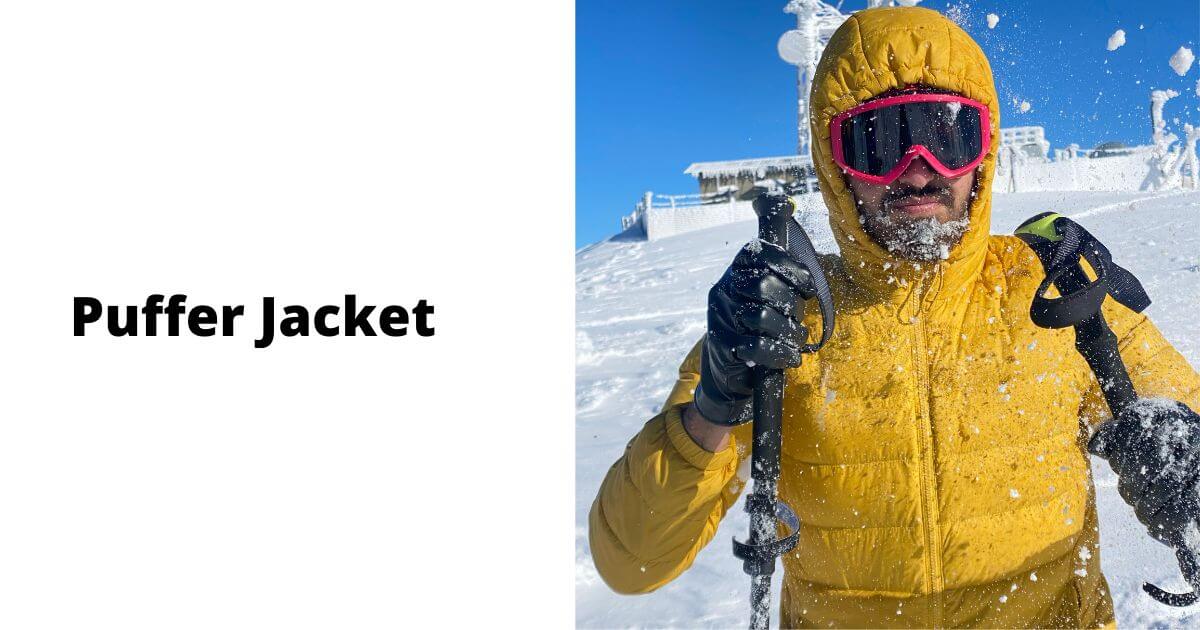
Carry thin and thick versions of your main layers. One type does not cover the full range of this trek.
What to Wear at the Teahouse
Teahouse evenings are cold even at lower elevations. Most teahouses in the restricted area have one common room with a central stove. That room gets warm. Everywhere else? Cold. And at night, your room is cold too.
Change out of your sweaty hiking clothes when you arrive each afternoon. Pack one comfortable warm layer just for evenings at the teahouse. Thick socks for walking inside. And carry a pair of slip-ons or sandals. Most teahouses ask you to leave boots at the door.
Trekking Boots and Footwear for Manaslu
Good footwear will make or break your Manaslu Circuit Trek. This is not the item to save money on. You can rent sleeping bags in Kathmandu. Do not rent boots. Fit is too personal.
What Boots You Need
You need waterproof trekking boots with ankle support. The trail includes stream crossings, wet rocks, and snow on the pass. A non-waterproof boot leaves you with cold, wet feet before day three. And once your feet are wet and cold at altitude, they stay that way.
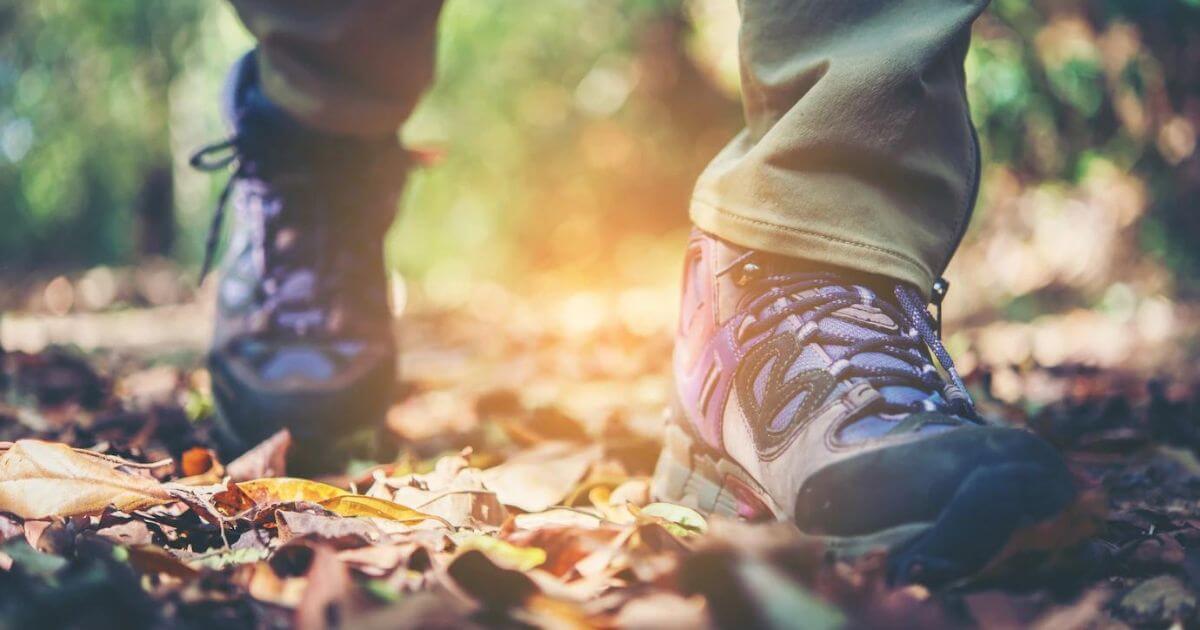
Ankle support is needed because the terrain is rough. The trail has loose rocks, big uneven steps, and is narrow. A low-cut trail runner does not protect your ankles on this kind of trail.
Sandals and Slip-Ons for the Teahouse
Carry a lightweight pair of sandals or slip-ons. These go on inside the teahouse after hiking. They also work as shower footwear at teahouses that have a bathroom. Light ones add almost no weight to your pack, and your feet will thank you at the end of each day.
Socks and Blister Prevention
Bring at least 3 to 4 pairs of hiking socks. Two of those should be thick wool-blend pairs for the high section. Wool blend stays warm even when wet. Cotton socks get wet and stay wet. They cause blisters.
Also pack a few blister plasters, even if you feel completely fine at home. Altitude makes small foot problems bigger. A tiny hot spot on day three can become a serious problem by day seven if you do not treat it early.
Trekking Equipment You Should Not Miss for Manaslu Trek
Some trekkers treat these as optional. They are not. The Manaslu Circuit Trek has specific challenges that make each of these items necessary.
Trekking Poles
Use trekking poles. Not just beginners, everyone. The descent from Larkya La is steep and long. Your knees take a lot of impact without poles, helping to distribute the load. By the end of the descent, the difference between poles and no poles is very clear.
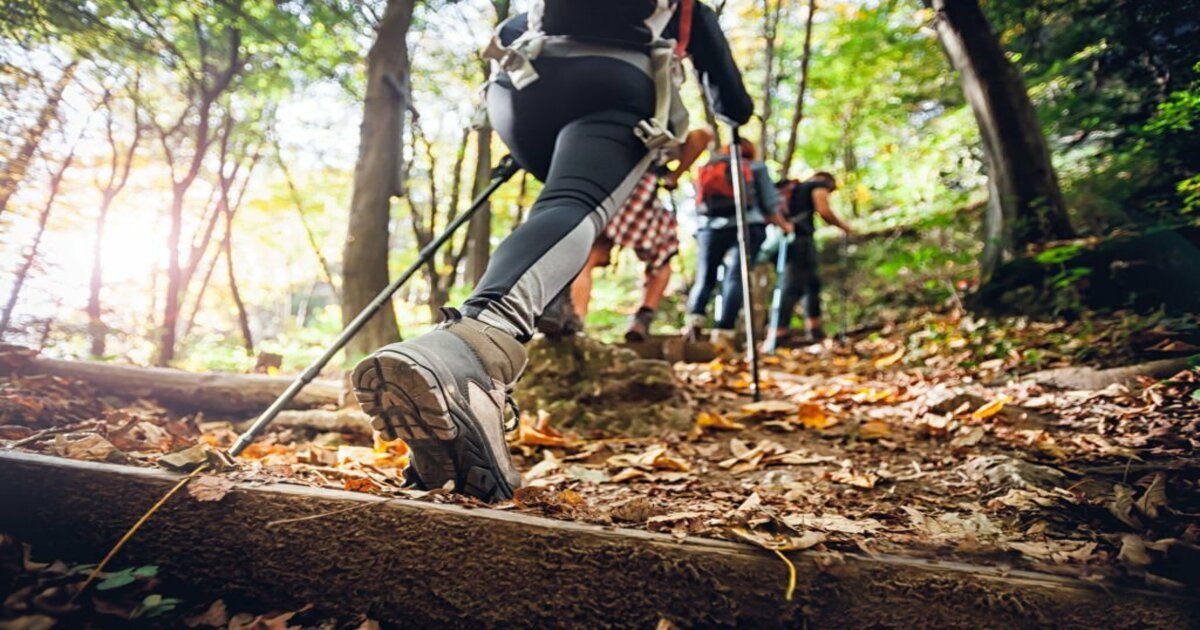
You should have poles with a proper locking mechanism. Cheap ones collapse on the downhill.
Microspikes for Snow on the Pass
Do you need microspikes? Yes. Carry them no matter which season you go.
October and November trekkers sometimes find hard ice on the Larkya La approach. April and May trekkers find leftover winter snow. Even when conditions look clear, one cold night can ice over the trail by 3 AM when you start the pass crossing. Microspikes weigh around 500 grams. They make the difference between walking with confidence on ice and slipping with every step. You can buy or rent them in Kathmandu.
Headlamp
You start Larkya La between 3 AM and 5 AM in the morning. It is completely dark. A headlamp is how you see the trail. Also useful for night washroom trips. Most teahouses on the Manaslu Circuit do not have indoor toilets. Walking outside in the dark at 4,000 metres without a headlamp is not a good experience.
Get a headlamp with at least 200 lumens. Bring spare batteries. Batteries are available at some teahouses but the price is much higher than in Kathmandu.
Sleeping Gear for Manaslu Circuit Trek
Teahouses on the Manaslu Circuit provide blankets. But they are not always clean and they are often not warm enough for the cold nights in the restricted area. Bring your own sleeping bag.
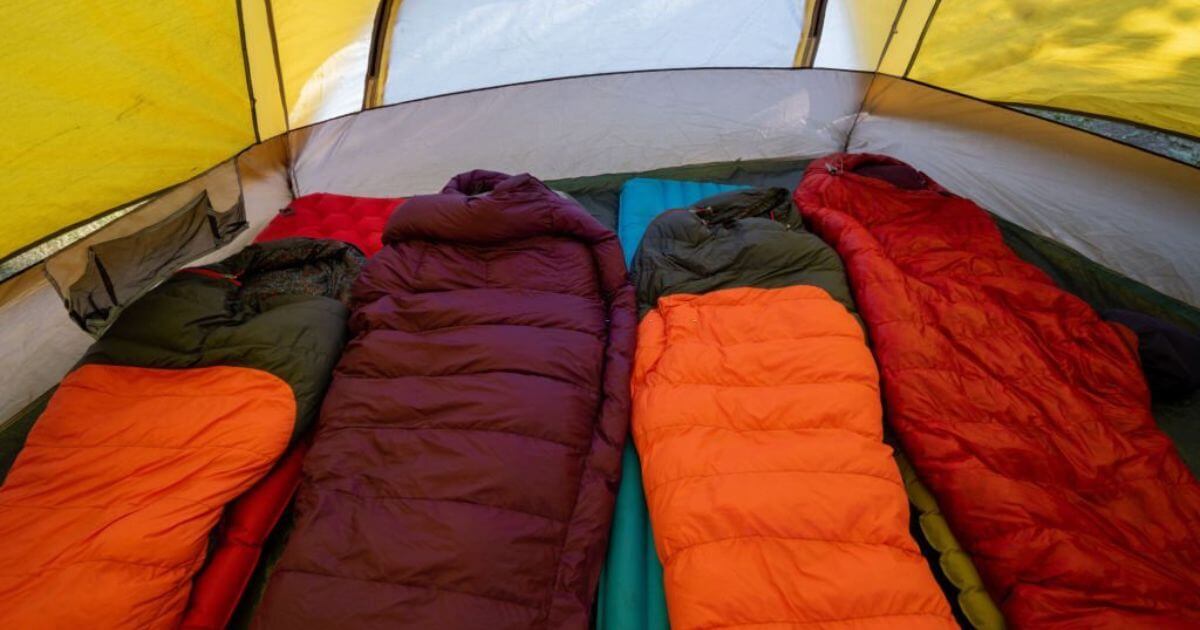
Get a sleeping bag rated to minus 10 degrees Celsius. From Samagaon onwards, the nights are genuinely cold even during the main trekking season. A three-season summer sleeping bag will leave you cold and sleeping badly at 3,500 metres.
A sleeping bag liner adds warmth and solves the cleanliness concern at the same time. Liners are light and compress small. Worth carrying.
Pack the sleeping bag inside a dry bag or large zip-lock within your porter duffel. The duffel goes on the roof of the bus on the drive to Soti Khola. Rain happens. Keep the sleeping bag dry from day one.
Power and Electronics on the Trail
The Manaslu Circuit Trek passes through a restricted area with limited infrastructure. Power is available at most teahouses but it is not free and it is not always reliable.
Power Banks
Teahouses charge for electricity. Usually $1 to $3 per charge per device. Across 14 days, that adds up. Carry your own power bank.
A 30,000 mAh power bank lasts 10 or more days for a phone and headlamp combined. One important thing: cold temperatures drain battery capacity fast. Above 4,000 metres, keep the power bank inside your sleeping bag at night. A dead or half-charged power bank on the morning of Larkya La is a real problem.
Solar Chargers
Solar chargers work sometimes. Above 4,000 metres, overcast days are common, especially in shoulder seasons. Do not rely on solar as your only power source. Use it as a backup if you carry one.
Chargers and Adapters
Nepal uses Type C, D, and M sockets. Check your devices before leaving home. Carry all chargers and adapters in your daypack. You will want to plug in when the teahouse has power in the evening. Hunting through the porter duffel for a charger at the end of a long day is annoying.
Hygiene and Personal Items
Showering every day is not possible above 3,500 metres. Some teahouses have hot showers for a fee. Many do not. You need a plan.
Wet wipes are the solution. Pack at least two to three packs for the full route. One wipe-down per day keeps you clean and feeling human, even on the cold high-altitude nights when a shower is out of the question.
Lip balm is something almost every trekker forgets. Altitude dries your lips faster. On Larkya La pass day, cover your lips with a buff and apply lip balm before you start walking. Without it, you will find your lips cracked and painful lips by the end of the crossing.
Also pack:
- Sunscreen SPF 50.
- Toilet paper. Available at teahouses, but carry your own supply.
- Zip-lock bags. Good for waste disposal, keeping documents dry, and storing wet laundry.
- Menstrual products. Available in some shops along the trail, but stock is limited. Bring enough from Kathmandu.
- A few plastic bags for wet clothes.
Medical Supplies and Permits
Medical Supplies
Your guide carries a full first aid kit on the trail. Our guides at Manaslu Guide are trained in wilderness first aid and carry emergency supplies for the common problems on high-altitude treks.
But guide kits cover general emergencies. They do not cover your personal medical conditions. If you take prescription medications, bring enough for the full trek plus a few extra days. Carry copies of your prescriptions, too.
For altitude sickness, buy Diamox and anti-nausea tablets in Kathmandu before departure. Prices are lower at Kathmandu pharmacies than anything you find on the trail. And in some high villages, you will not find them at all. You must inform the guide about your health condition. They know the symptoms of acute mountain sickness: headache, nausea, dizziness, and unusual tiredness. If symptoms come, we will stop and rest.
Keeping Permits and Documents Safe
The Manaslu restricted area requires three permits: the MCAP (Manaslu Conservation Area Permit), the Restricted Area Permit, and the TIMS. Checkpoints along the trail ask for all three.
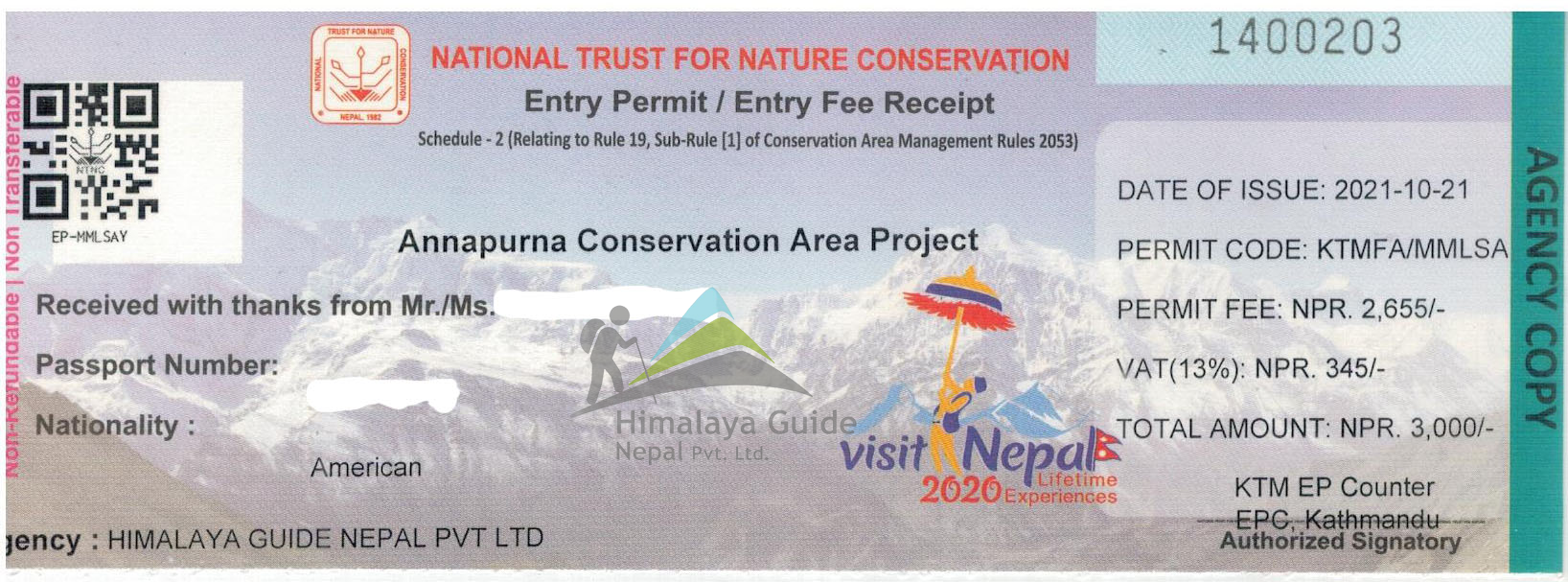
Keep originals and copies separate. Use a waterproof document holder or a zip-lock bag. Carry permits in your daypack where they are easy to reach. Do not pack them deep in the porter duffel.
What to Buy in Kathmandu vs What to Rent
Good news. You do not need to arrive in Nepal with everything sorted.
Thamel, Kathmandu, has many trekking gear shops. You can rent: sleeping bags, down jackets, trekking poles, microspikes, and duffel bags. Rental gear from reputable shops is clean and of good quality.
What you should always buy yourself: socks and underwear, base layers, trekking boots, and medications.
If you book your Manaslu Circuit Trek with us, we will tell you exactly what to buy and rent during our briefing. Our team is happy to go through the list with you.
Frequently Asked Questions
How much weight can a porter carry on the Manaslu Circuit?
The standard limit is 20 kg total per porter. That is shared between two trekkers, so each trekker’s allocation in the duffel is around 10 kg. Do not exceed this. Porters walk the same high passes you do and a reasonable weight limit is part of responsible trekking.
Do I need microspikes for the Manaslu Circuit Trek?
Yes. Carry them regardless of season. The Larkya La pass can have hard ice and packed snow in October, November, April, and May. Microspikes are light, around 500 grams, and they make icy sections manageable instead of dangerous. Buy or rent them in Kathmandu.
Can I rent trekking gear in Kathmandu for the Manaslu trek?
Yes. Thamel in Kathmandu has reliable rental shops for sleeping bags, down jackets, trekking poles, and microspikes. Do not rent boots. Trekking boot fit is too important for the kind of terrain on this trail.
What sleeping bag rating do I need for the Manaslu Circuit?
Bring a sleeping bag rated to at least minus 10 degrees Celsius. Teahouse blankets are available but often thin. From Samagaon and Samdo onwards, nights are seriously cold even during the main seasons. A liner on top of your sleeping bag adds useful extra warmth.
Do teahouses on the Manaslu trek have charging facilities?
Most teahouses have charging available but charge $1 to $3 per device. Carry a 20,000 mAh power bank to reduce dependence on teahouse power. Above 4,000 metres, cold temperatures drain batteries fast. Keep your power bank warm overnight.
Final Say
The Manaslu Circuit Trek packing list comes down to one principle: plan for both ends of the temperature range. Light clothes for the warm valley days and serious cold-weather gear for the high section and Larkya La. Keep your porter duffel under 10 kg per person. Do not skip the minus 10 degree sleeping bag, the microspikes, or the lip balm.
Everything on this list is either available in Kathmandu or can be rented in Thamel. You do not need to arrive with everything figured out. Our team can help you plan your full gear list before you arrive. Talk to us today and we will make sure you are sorted before you start.
Chandra Gurung