Birendra Lake: The Acclimatization Hike from Samagaun
7 Jun 2026 Chandra Gurung
Birendra Lake is a glacial lake near Samagaun village on the Manaslu Circuit Trek. It sits at 3,691 metres, about 1 to 1.5 hours walk from the village. Most trekkers go there on their rest day. The lake is not difficult to reach. But it is one of the most important things you do before Larkya La.
By the time you reach Samagaun, you have been walking for eight days. Your legs & lungs know it. And now your guide is telling you to go for another hike on your rest day.
That suggestion feels wrong. But it is right.
Birendra Lake is not a tourist stop. It is preparation. The short walk up to the lake and back does something for your body that a full day in the teahouse cannot do. And the view when you get there is one of those things you did not know you were coming to Nepal to see.
| Planning a Manaslu Circuit Trek and want the rest day built properly into your itinerary? Get in touch with us and we will sort it. |
What Birendra Lake Is
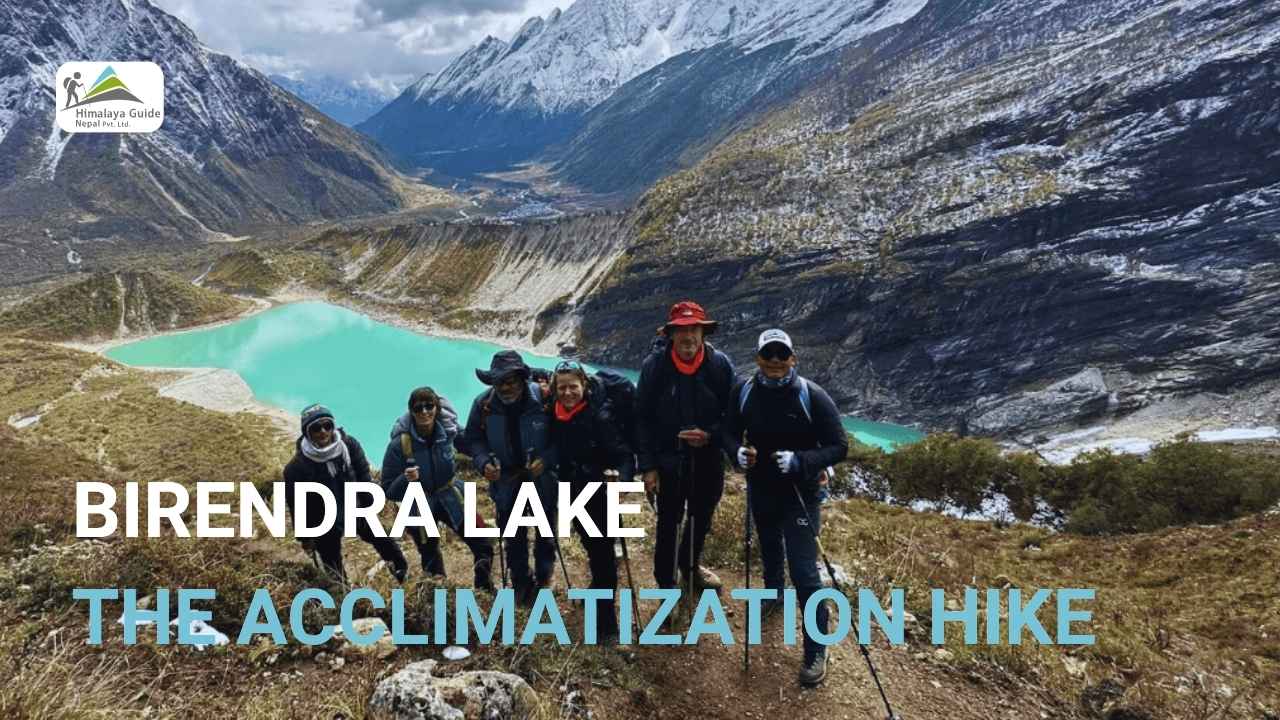
Birendra Lake, or Birendra Tal, is a glacial lake fed by meltwater coming down from the Manaslu Glacier above. It sits at 3,691 metres, inside the Manaslu Conservation Area, about 160 metres above Samagaun village.
The water is cold and very clear. What makes this lake different from other Himalayan lakes you might see on photos is what sits behind it. Manaslu’s north face rises directly above the water. Not in the distance. Directly above. The glacier that feeds the lake comes down the right side of the mountain and you can see the ice from the shore without walking further.
On a calm morning the reflection of the mountain in the lake is clean and flat. By mid-morning wind comes off the glacier and breaks the surface. That reflection is gone fast. So go early.
The lake was named after the late King Birendra Bir Bikram Shah of Nepal. For the Nubri people who have lived in this valley for centuries, the lake holds a different kind of meaning. It is sacred to them. Pure. You will see prayer flags on the shore when you arrive. Those were placed by local people, not trekkers.
Why Your Guide Is Right About This Hike
Many trekkers ask us the same thing at Samagaun. “Can I just rest today? My legs are tired & hurt.”
Honestly speaking, yes, you can rest. But your body does not acclimatize through lying down. It acclimatizes through controlled effort followed by recovery at a lower altitude. That is the whole point of the climb-high-sleep-low principle.
Birendra Lake at 3,691 metres is almost perfectly placed for this. You go up, you spend some time at altitude, and you come back down to sleep at Samagaun. Your body processes the exposure overnight and wakes up a little more ready for the pass.
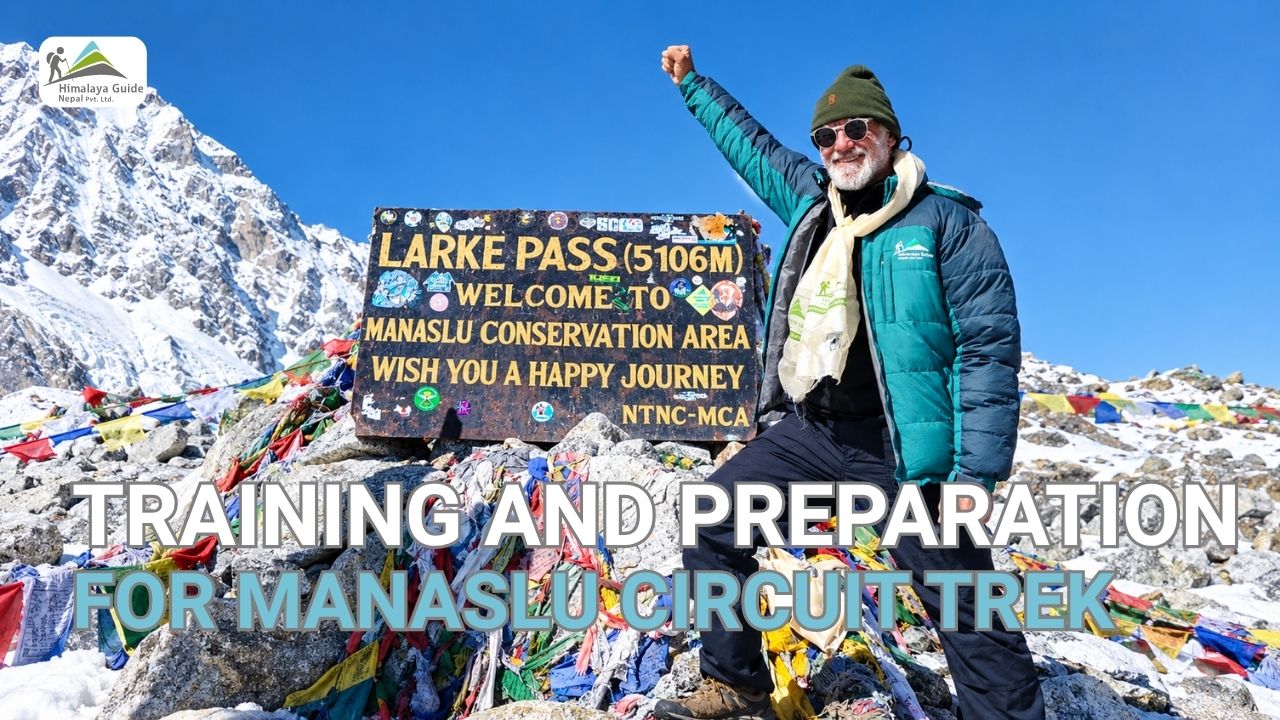
And the pass is not easy. Larkya La sits at 5,160 metres. You are crossing it in a few days. Every bit of altitude adjustment you make at Samagaun reduces the shock on pass day.
Trekkers who take a full horizontal rest at Samagaun sometimes feel that choice on the crossing. Not always. But often enough that we mention it to every group.
Getting to Birendra Lake from Samagaun
| Detail | Info |
|---|---|
| Starting point | Upper edge of Samagaun, 3,530m |
| Lake altitude | 3,691m |
| Distance | About 3km round trip |
| Elevation gain | Around 160m |
| One way time | 1 to 1.5 hours |
| Total round trip | 1.5 to 3 hours |
| Difficulty | Easy to moderate |
| Special gear | None needed |
The trail starts just past the monastery at the top of the village. You can leave your main pack at the teahouse and take a small daypack. You do not need much for this walk.
The first section out of Samagaun is wide and open. Alpine pasture on both sides. Yaks sometimes grazing nearby. The ground is flat enough that you settle into a pace quickly.
After about fifteen minutes that changes. The pasture ends and you are on moraine, the old rock debris left behind as the glacier retreated over thousands of years. The ground gets rocky here. Uneven. Larger stones mixed with loose smaller ones. This is where you slow down and watch your footing.
The final section climbs more directly into a shallow basin. The air feels different up here. Not dramatically thinner than Samagaun, but enough that short uphill sections make you breathe harder than they should. Fifty metres of steady incline at this altitude and your legs feel heavier than you expect. That is not a problem with your fitness. That is 3,600 metres reminding you where you are. Notice it. It tells you something useful about what Larkya La Pass will feel like.
Wind off the glacier hits you properly for the first time in the upper section. It is cold in a way the village wind is not. Bring a layer of extra clothes with you for wind.
Birendra Lake vs Manaslu Base Camp Hike
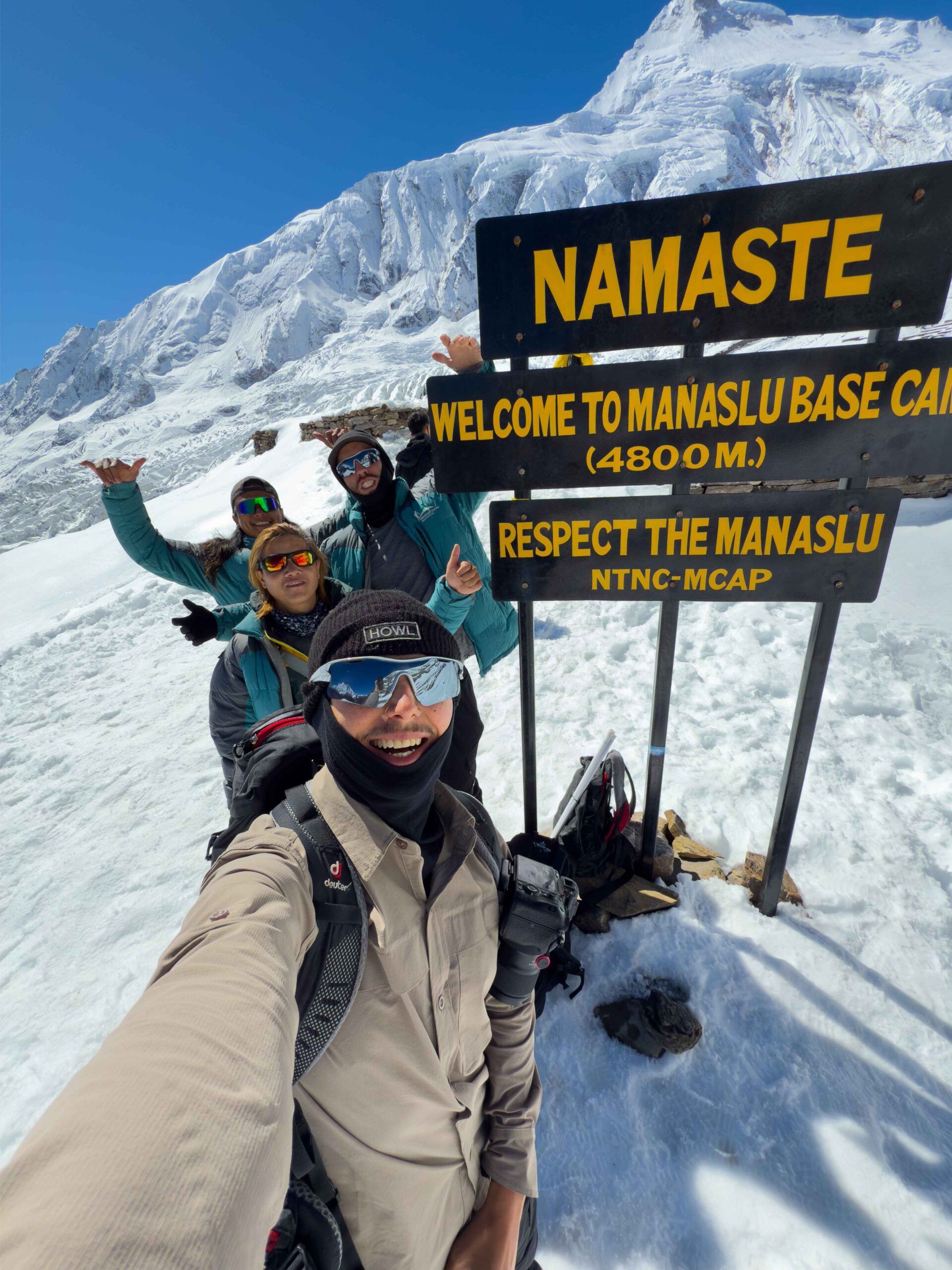
Look, Samagaun offers three options for your acclimatization day: Birendra Lake, Pungyen Gompa hike, and Manaslu Base Camp. These two hiking options are similar, so yoy must check this out.
| Factor | Birendra Lake | Manaslu Base Camp |
|---|---|---|
| Total time | 1.5 to 3 hours | 6 to 7 hours |
| Altitude reached | 3,691m | 4,800m |
| Elevation gain | ~160m | ~1,270m |
| Difficulty | Easy to moderate | Moderate to demanding |
| Best for | Most trekkers, half-day out | Strong legs, full acclimatization day |
The base camp hike passes through Birendra Lake on the way up, so if you choose base camp you get both. But it is a full day with serious elevation gain.
If you arrived at Samagaun feeling good, slept well in Lho and Namrung, and have had no headache, the base camp hike is worth considering. If you have had any fatigue, bad sleep, or mild head pressure on the way up, Birendra Lake is the right call. Do not push to base camp on a body that is still adjusting.
Your guide will give you an honest answer on which fits your condition that morning. Trust that answer. The ego decision at Samagaun is usually the problem on pass day.
What You See at Birendra Lake
You will hear it before you see it. The sounds of Samagaun, dogs, wind through the monastery flags, low voices from teahouse doorways, all of that fades as you climb. What replaces it is not quiet exactly. It is the sound of a glacier doing its slow work. A low creak somewhere above. Water moving under rock. Wind with nothing to stop it.
Then the lake comes into view.
The water sits in a wide basin of rock and old moraine. It is bigger than you expect. The colour on a calm morning is somewhere between turquoise and blue-green, depending on how much cloud sits above. And then you look up and understand why this place feels different.
Manaslu’s north face is right there. Not across a valley. Not behind another ridge. Directly above the lake, filling most of the sky. The glacier runs down from it. You can see the ice seracs on the lower section without any optics. The mountain is big in Samagaun. At the lake it is something else entirely.
Most trekkers go quiet when they arrive. Because the place does it to you. Eight days of walking brought you here and now you are standing at the base of an 8,000 metre mountain with its glacier melt in front of you. That feeling is not something the photos prepare you for.
The prayer flags on the shore flutter constantly. Rock cairns built by trekkers over many years sit scattered near the water. Spend some time sitting down at the edge before you head back. Not for the photos. For the thing that happens when you stop moving and let the place settle around you.
Wind usually comes off the glacier from around 10 or 11 in the morning. Before that, the water is calm and the reflection of Manaslu sits flat in it. After the wind comes, the reflection breaks and is gone. Go early and you get both. Go at noon and you get a good lake with no mirror.
The Nubri People and the Lake
The Nubri people have been in this valley for generations. They practice Tibetan Buddhism and their relationship with the land around Samagaun goes much deeper than what trekkers see in a few days.
The prayer flags at the lake were placed there as an act of reverence. The water is considered pure. Sacred. Local people do not bathe in it or disturb its surface casually. They expect the same from visitors.
So when you are at the shore, be quiet. Do not throw stones into the water. Do not swim. Leave the prayer flags as you find them. These are not unusual requests. They are the minimum the place deserves.
Best Time to Visit Birendra Lake
October and November are the clearest months. Post-monsoon air means clean views and good reflections. March and April work well too as the lake comes out of winter freeze and the weather is stable.
June to August is monsoon season. Views from the lake are often blocked by cloud and the lower trail to Samagaun is wet and difficult. December to February the lake freezes completely. It is photogenic in winter but walking on the ice is not recommended. The depth and stability of lake ice at this altitude is unpredictable.
Whatever month you visit, morning is better than afternoon. Always.
What to Bring for the Birendra Lake Hike
- Gloves and a windproof jacket. This is the thing most trekkers forget. The village feels mild when you set off. The wind at the lake does not. Your hands get cold fast when you stop moving at the shore. Bring gloves even in October.
- Two litre of water. Nothing to refill between the village and the lake.
- Trekking poles. The rocky moraine section and the descent need them. Your knees will thank you.
- Sunglasses and sunscreen. UV at 3,700 metres is high even when it does not feel hot. The glacier reflects additional light toward you.
- Camera or phone, fully charged. The reflection window in the morning is short. Have your battery ready before you leave.
That is all you need. This is not a technical hike. It is a walk to a lake at 3,691 m altitude.
Frequently Asked Questions
Is Birendra Lake safe to visit after the 2024 flood?
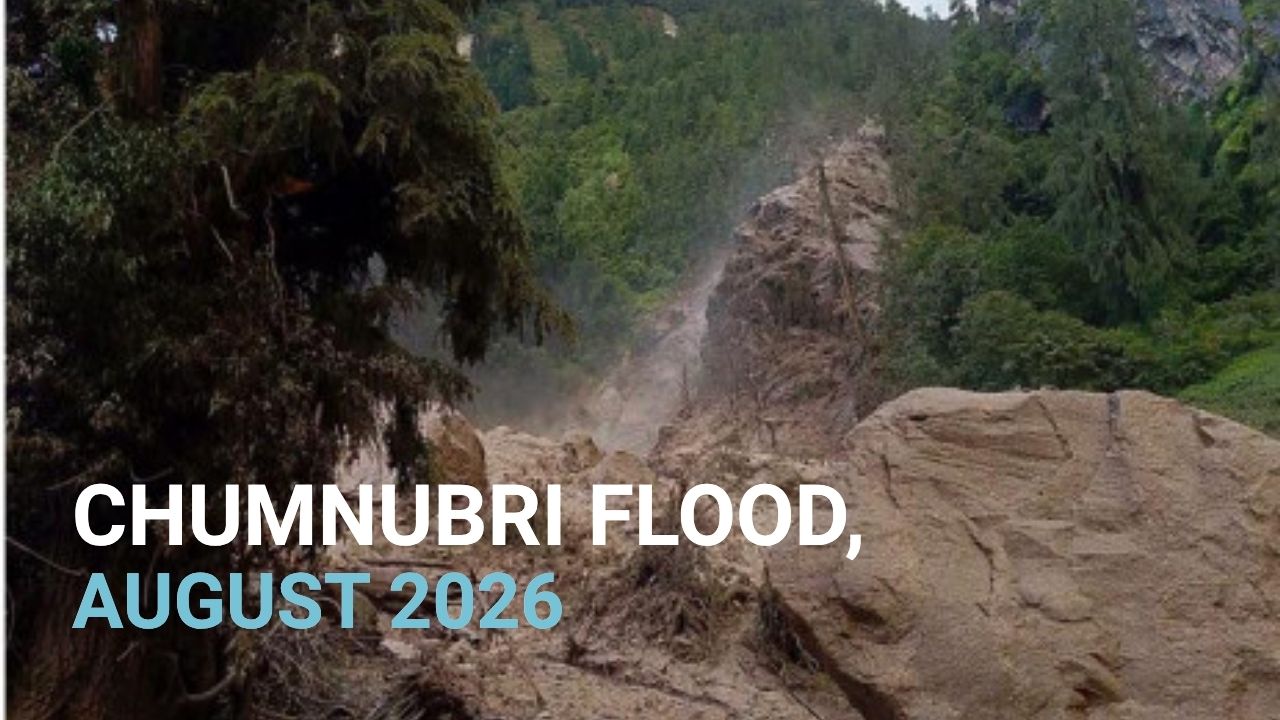
A glacial lake outburst event in the Manaslu region in 2024 caused damage to parts of the lower trail. The Birendra Lake hike area and Samagaun have been assessed and are considered safe for the current trekking season. But glacial conditions in this region can shift, especially after heavy rain. Always confirm current trail status with your guide on the day. They will know the ground situation better than any website.
How long is the hike from Samagaun to Birendra Lake?
Around 1 to 1.5 hours one way at a comfortable pace. Total round trip including time at the lake is 1.5 to 3 hours. Most trekkers are back at the teahouse well before lunch.
Is the hike difficult?
No. Easy to moderate. The terrain is rocky and uneven on the upper moraine section but there are no technical sections and no special gear needed. If you have made it to Samagaun on the Manaslu Circuit Trek, you can reach the lake.
Can you visit Birendra Lake without doing the Manaslu Circuit Trek?
Not practically. Samagaun sits inside the Manaslu restricted area. You need the full permit set and a licensed guide to enter the zone legally. There is no standalone Birendra Lake trip from Kathmandu. The lake is only accessible as part of the circuit.
What altitude is Birendra Lake?
3,691 metres (12,110 feet). Samagaun village is at around 3,530 metres. The elevation difference is about 160 metres.
Do you need a guide for the Birendra Lake hike?
Yes. The whole Samagaun area sits inside the Manaslu restricted zone where a licensed guide is legally required. Independent trekking in this area is not permitted. Your guide will either walk with you to the lake or give you clear directions from the village.
At Last, Remember This for Birendra Lake Hike
You will remember Samagaun. The silence at that altitude. Manaslu sitting above the village in a way that does not feel real until you have been looking at it for a day. The cold that arrives fast after sunset even in October.
And if you go to Birendra Lake, you will remember the moment the reflection broke when wind came off the glacier. The low sound of the ice somewhere above. The specific tiredness of walking at 3,700 metres on legs that have already given you eight days of trail.
That tiredness is preparation. It is your body learning what is coming. And Larkya La will feel different because you did this hike.
Come with open mind. The trail will do the rest.
If you want your Manaslu Circuit Trek itinerary built with the Samagaun rest day properly planned, talk to our team.
Chandra Gurung