Mu Gompa: Monastery at End of Tsum Valley
16 Jun 2026 Chandra Gurung
What is Mu Gompa?
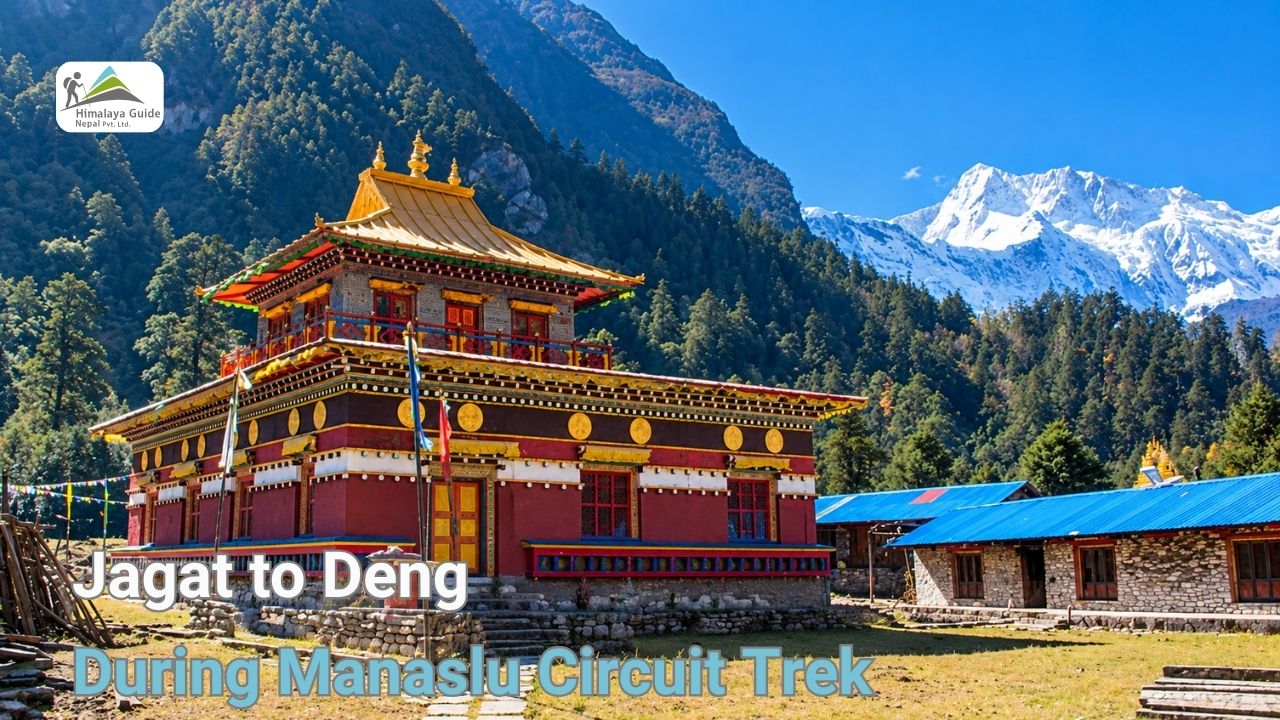
Mu Gompa is the highest and largest monastery in Nepal’s Tsum Valley, sitting at 3,700 m (12,139 ft) in Gorkha District, just a few kilometers from the Tibetan border. Built in the late 19th century, it follows the Gelugpa Buddhist tradition and works today as an active monastery, school, and meditation center. A 125-year-old Buddha sculpture, thousands of stone plates engraved with Buddha images, ancient thangkas, and old wooden scripture blocks are all inside. You reach it only through the Tsum Valley Trek, on foot, no other way in.
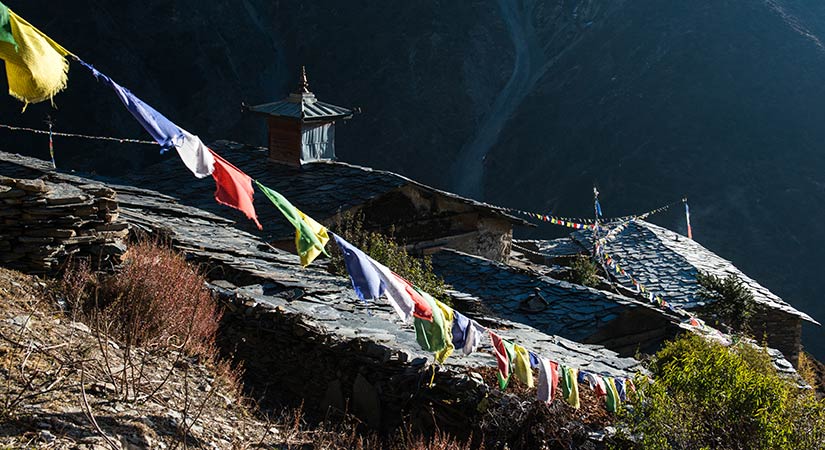
The Tsum Valley only opened to outsiders in 2008. Before that, nobody came in from outside. Even now, a full season of trekkers here adds up to less than what Namche Bazaar sees in a busy week. Mu Gompa sits at the very end of that already-quiet valley, 8 days of walking from the nearest road.
People come back and call it the best thing they did in Nepal. Not the highest viewpoint. Not the most dramatic pass. The best. Worth thinking about what that means before you book.
What’s Inside Mu Gompa?
The name tells you the category, not the thing. Gompa means monastery in Tibetan. But plenty of monasteries exist in Nepal. What makes this one different is what’s been sitting inside it for over a century with almost nobody looking.
A Buddha sculpture, 125 years old, in the center of the main prayer hall. Thousands of stone plates on the grounds, each hand-engraved with a Buddha image. Thangkas on the walls, some faded past the point of easy reading. Wooden scripture blocks on shelves that were there before most countries had their current borders.
Monks live and study here full-time. The monastery also runs as a school and a meditation center for the local community. When you walk in, they’re mid-routine. Morning prayers. Afternoon work. A schedule that has never once been arranged around visitors. You are watching something that runs whether you showed up or not.
Ten to fifteen minutes up the ridge is Dhephu Doma Nunnery. Small, quiet, and the views back down the valley are sharper from there than from the monastery itself.
Tsum Valley holds a specific place in Tibetan Buddhist tradition. It’s a Beyul, one of 108 sacred hidden valleys blessed by Guru Rinpoche as places of practice and refuge. Mu Gompa sits at the farthest end of that valley. Walk north and the trees go first, then the shrubs, then everything else, until it’s just rock, wind, and the monastery walls against a sky that looks too close.
How to Get to Mu Gompa?
The trek starts in Arughat, a small town in Gorkha District at the end of the road. From there, follow the Budhi Gandaki River north to Lokpa junction, where the trail splits off into Tsum Valley.
Northeast from Lokpa: Chumling first, then Chhokangparo at 3,031 m where the last shop is, then Nile village around 3,400 m. Nile is the last permanent settlement. After Nile the trees stop and a wide, flat plateau opens up between Ganesh Himal and Sringi Himal. Three hours of walking from there gets you to Mu Gompa.

Day 8 on the standard 12-day itinerary. The seven days before it aren’t wasted time. Your body adjusts to altitude through the lower sections before 3,700 m hits you at the top.
| Day | Where | Altitude |
| Day 4 | Chumling, Lower Tsum | 2,386 m |
| Day 6 | Chhokangparo, Upper Tsum | 3,031 m |
| Day 7 | Nile village | ~3,400 m |
| Day 8 | Mu Gompa | 3,700 m |
Solo trekking isn’t allowed here. Nepal requires at least two trekkers and a licensed guide in this restricted zone. Permits needed: Manaslu restricted area permit, Tsum Valley Special Permit, TIMS card, and Manaslu Conservation Area Permit. We handle all of it as part of the booking.
Where You Sleep Around Mu Gompa?
You can stay inside the monastery. The monks open sleeping quarters for trekkers and the kitchen prepares meals. Cold rooms. Vegetarian food. Basic in the right way.
Or tea houses in Nile village, 3 hours below. Warmer beds. Further from everything you came for.
Waking up inside the monastery compound before sunrise, prayers already running, cold still sharp. That’s a different experience from day-tripping up from Nile. Most people who’ve done both say the monastery is worth the discomfort.
Cultural Rules in Upper Tsum Trek
Tsum Valley runs on a code called Shagya, a non-violence principle followed for generations. Killing animals, hunting, and butchering are all forbidden inside the valley. This predates tourism here by a long way.
In practice: the higher you go, the less meat you’ll find. Around Mu Gompa it’s fully vegetarian. Thenthuk, which is hand-pulled noodle soup. Thukpa. Dal bhat. Potato dishes. Yak dairy. Filling enough. But if you need meat daily, plan around this.
The local people are called the Tsumba and speak their own dialect, Tsumke. Around 200 Tsumba across 30 villages in the valley. Heavy Tibetan influence in the culture but it’s its own thing. Walk clockwise around mani walls and chortens. Ask before photographing anyone.
Places You Must Visiting While Hiking Mu Gompa
- Rachen Gompa is a nunnery south of Mu Gompa in upper Tsum. The companion site. Nuns in residence year-round. Most trekkers rush past going up and take more time on the way back down.
- Gumba Lungdang sits near the base of Ganesh Himal, short detour off the main trail. Different angle looking back down the valley.
- The Milarepa Cave, also called Namkading Cave, is where the Buddhist teacher Milarepa spent years in meditation. Major pilgrimage site. It’s on the standard route, you’ll walk past it.
Best Season for Mu Gompa
Spring (March to May) or autumn (September to November).
Spring: rhododendrons in the lower valley, clear skies at altitude. Autumn: sharper mountain views, drier ground. For upper Tsum specifically, autumn is slightly easier. For photos in the lower sections, spring is better.
Winter works but 3,700 m in December is a different animal. Summer brings monsoon, which makes the lower trail slippery. The Tsum Valley Special Permit costs USD 70 per week in winter versus USD 35 in spring and autumn.
Permits You Need for Mu Gompa
Before entering the restricted zone, you need all four:
- Restricted Area Permit (RAP) for Manaslu
- Tsum Valley Special Permit: USD 35/week spring and autumn, USD 70/week winter
- Manaslu Conservation Area Permit (MCAP)
- TIMS card plus a licensed trekking guide
Manaslu Guide Nepal has handled Tsum Valley treks since 2008. Get in touch and we’ll take care of the paperwork end.
Questions Trekkers Ask about Mu Gompa
Q: How many days from Kathmandu to Mu Gompa?
A: Day 8 on the 12-day itinerary. Add 7 to 8 hours road travel from Kathmandu to Arughat on Day 1. Total: 8 to 9 days from Kathmandu.
Q: Is it okay for beginners?
A: Moderate grade, no ropes, no technical climbing. But 5 to 7 hours of walking a day for 8 days straight before you reach Mu Gompa. Train for 6 to 8 weeks with long hikes and a loaded pack.
Q: Can you sleep inside the monastery?
A: Yes. Sleeping quarters open for trekkers, meals from the monastery kitchen. Cold and vegetarian. Worth it.
Q: What do you eat near Mu Gompa?
A: Vegetarian only in upper Tsum. Dal bhat, thenthuk, thukpa, potatoes, yak dairy. No shops past Chhokangparo. Bring your own snacks from Kathmandu.
Q: Do you need a guide by law?
A: Yes. Licensed guide required plus minimum two trekkers. Solo entry into this restricted zone is not permitted.
Chandra Gurung